Small Moments That Make Parenting Feel Lighter
A readable parenting blog page about gentle routines, baby care basics, daily rhythm, and the small wins that help family life feel calmer.
This page is written as an editorial article, not a product shopping page. The focus is practical parenting content and a warm reading experience.
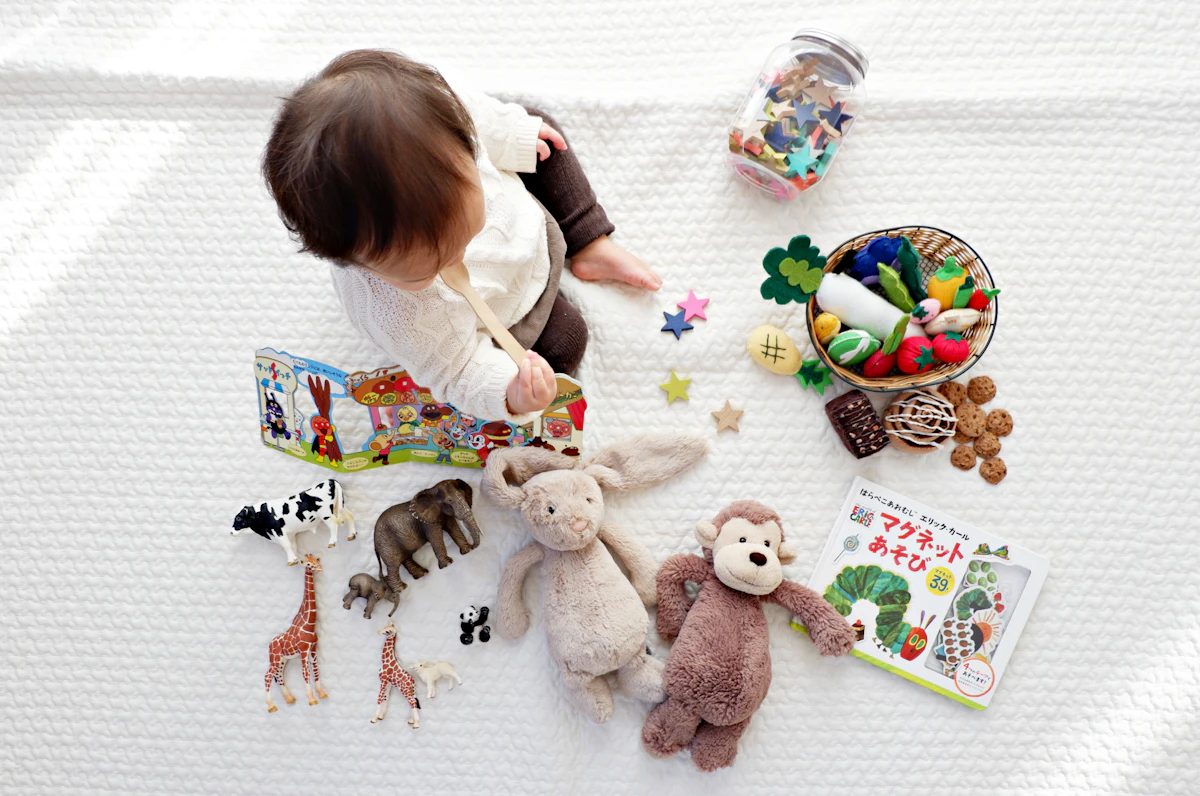
What “little wins” really mean for parents
Parenting is often described in big milestones: the first smile, the first step, the first word. But daily family life is usually held together by much smaller moments — a smoother diaper change, a peaceful feeding, a baby who settles after a familiar song, or a parent who remembers to drink water before the day gets too busy.
These little wins matter because they make parenting feel possible. They create rhythm, confidence, and connection during days that can otherwise feel unpredictable.
1. Start the day with one calm anchor
A calm morning does not require a perfect schedule. For many families, mornings are full of feeding, changing, laundry, messages, work, and unexpected baby needs. Instead of trying to control everything, choose one simple anchor that tells your baby, “The day is starting, and you are safe.”
This anchor can be a soft greeting, opening the curtains, changing into daytime clothes, or sitting together for the first feeding. The goal is not speed. The goal is familiarity.
Try a simple three-step morning rhythm
- Greet your baby with the same phrase or gentle tone each morning.
- Change, feed, or cuddle before checking too many outside distractions.
- Choose one practical task to finish early, such as refilling the diaper station.
2. Make feeding feel less like a test
Feeding can be emotional for many parents. Some days feel easy, and some days feel confusing. The baby may be distracted, tired, extra hungry, or not interested at the usual time. A helpful feeding routine is not about doing everything perfectly. It is about creating a predictable environment where both parent and baby can feel more settled.
Keep feeding items in one place, reduce noise when possible, and give yourself a few minutes of breathing room. If your baby is older and exploring purees or soft foods, focus on curiosity rather than clean results. Mess is often part of learning.
Before feeding
Gather bibs, wipes, burp cloths, bottles, bowls, or spoons before sitting down.
During feeding
Use a calm voice, slow transitions, and small pauses when your baby needs a reset.
After feeding
Keep cleanup simple. Wipe the most important spots first and finish the rest later.
For parents
Remember that one difficult feeding does not mean the whole day is difficult.
3. Turn ordinary play into connection
Babies do not need complicated activities to feel engaged. A soft blanket, a safe toy, a song, a mirror, tummy time, or a few minutes of face-to-face interaction can become meaningful play. The most valuable part is often not the toy itself, but your presence.
Playtime can also be short. Five focused minutes can feel more connected than twenty distracted minutes. Watch what your baby notices. Follow their curiosity. Repeat sounds, smile back, and let the moment stay simple.
- Rotate a few toys instead of putting everything out at once.
- Use daily objects safely: soft cloths, stacking cups, board books, or textured toys.
- Keep play areas easy to reset so the room does not feel overwhelming.
- End playtime before your baby is overtired when possible.
“A small parenting win is not proof that the whole day is perfect. It is proof that one moment became easier.”
— Mom Reviews Lab4. Build a bedtime routine your family can actually repeat
Bedtime routines are often talked about as if they should look the same in every home. In real life, families have different schedules, work hours, spaces, and baby temperaments. A useful bedtime routine is one your family can repeat most nights, even when the day has been messy.
Choose a few familiar signals: lower lights, a clean diaper, a short book, a quiet song, or a calm phrase. These signals help the evening feel different from active daytime moments. Over time, the repetition can become comforting.
A gentle wind-down can include:
- Dim lights and reduce loud sounds before sleep time.
- Prepare the sleep space according to current safe sleep guidance.
- Use the same short song, phrase, or book to create familiarity.
- Keep the routine short enough that you can repeat it on tired nights.
5. Do not forget the parent reset
Parenting content often focuses only on the baby, but parents need small resets too. You do not need a full self-care day to feel a little more grounded. Sometimes a reset is drinking water, stepping outside for two minutes, preparing tomorrow’s diaper bag, or asking for help before you feel completely overwhelmed.
A parent reset is not selfish. It is part of the system that helps the whole family function. When parents are supported, routines become easier to maintain and small moments feel less heavy.
A simple weekly little-wins checklist
Use this checklist as a soft guide, not a rule. Pick only what helps your family this week.
- Refill the diaper or care station before it is completely empty.
- Choose two easy meals, snacks, or feeding backups for busy days.
- Rotate toys or books to make playtime feel fresh without buying more.
- Prepare one outing bag with wipes, extra clothes, and simple comfort items.
- Write down one thing that went well, even if the day felt difficult.
Final thoughts
Little wins in parenting are not about lowering standards. They are about noticing progress in the middle of real life. A calmer feeding, a familiar bedtime phrase, a baby who enjoys a simple toy, or a parent who pauses before reacting — these moments matter.
Over time, small routines can become family rhythms. They help parents feel more prepared, help babies feel more secure, and make ordinary days feel a little more joyful.